 Recorder Hero
 › Recorder library › Composers who loved the recorder
Composers who loved the recorder
From Bach's Brandenburg Concertos to Vivaldi's dazzling concertos and modern pieces by Hindemith and Britten: the great composers who wrote for the recorder.
The recorder you learn at school is the same instrument the greatest composers of the Baroque era wrote for. Here's some of the music you can grow into.
Jacob van Eyck (about 1590–1657)
A blind Dutch carillon player who loved to play the recorder in a churchyard in Utrecht for people walking by. His collection Der Fluyten Lust-hof ("The Flute's Garden of Delights"), from the mid-1600s, is one of the largest collections of music for a single wind instrument ever written: popular tunes of his day, with ever more dazzling variations.
Johann Sebastian Bach (1685–1750)
Bach used recorders for special colour: in his Brandenburg Concertos No. 2 and No. 4, and in many cantatas, often for gentle, pastoral or mournful moments (The Met).
George Frideric Handel (1685–1759)
Handel wrote sonatas for recorder and harpsichord that are still played by every serious recorder student today, along with trio sonatas (Yamaha).
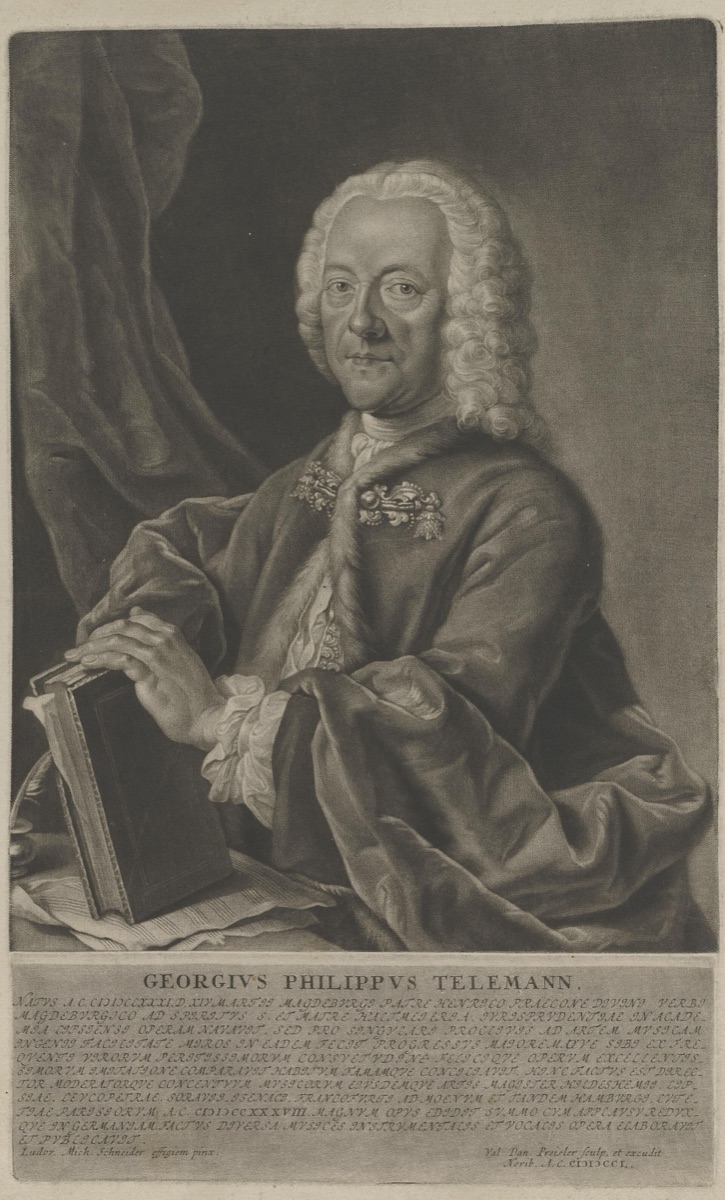
Georg Philipp Telemann (1681–1767)
Telemann was a recorder player himself, and it shows: sonatas, trio sonatas, concertos, fantasias, and the brilliant Suite in A minor for recorder and strings. His Concerto in A minor for recorder and viola da gamba is a favourite with audiences (Yamaha).
Antonio Vivaldi (1678–1741)
Vivaldi's recorder concertos are famous for their speed and sparkle, especially the Concerto in C major, RV 443, written for a small "flautino". Musicians still debate exactly which size of recorder he meant: many play it on the tiny sopranino, while others now argue for the soprano, the same size children learn (BBC Music Magazine).
And more from the Baroque
Henry Purcell used recorders in his odes and operas; Giuseppe Sammartini wrote a much-loved Concerto in F for the soprano recorder; and in France, the Hotteterre family both built recorders and wrote music for them.
Modern composers
When the recorder came back in the 20th century, composers wrote new music for it: Paul Hindemith's Trio (1932), Benjamin Britten's Scherzo and Alpine Suite for recorders, Malcolm Arnold's Sonatina, and adventurous pieces like Luciano Berio's Gesti (1966), which explores every sound a recorder can make, and Louis Andriessen's Sweet.
Every one of these journeys starts the same way: one note, then three, then a first song. Read the recorder's history ›
More from the recorder library
- Why a camera and a microphone are the best way to learn the recorderHow a microphone that hears every note and a camera that sees your hands give beginners instant feedback on the recorder, and why the recorder is a great first instrument.
- A short history of the recorderThe recorder's story in five minutes: medieval beginnings, Renaissance consorts, Baroque stardom, a long sleep, and its 20th-century revival as the instrument children learn first.
- The recorder todayWhere the recorder is played today: the classroom, early-music ensembles, new music, famous pop and rock songs, and a big online community of players.
- What to learn after the recorderMastered the recorder? The instruments that are closest to it, from the alto recorder and tin whistle to the flute, saxophone and clarinet, and what changes with each.
← Recorder Hero home · All articles · Play