 Recorder Hero
 › Recorder library › What to learn after the recorder
What to learn after the recorder
Mastered the recorder? The instruments that are closest to it, from the alto recorder and tin whistle to the flute, saxophone and clarinet, and what changes with each.
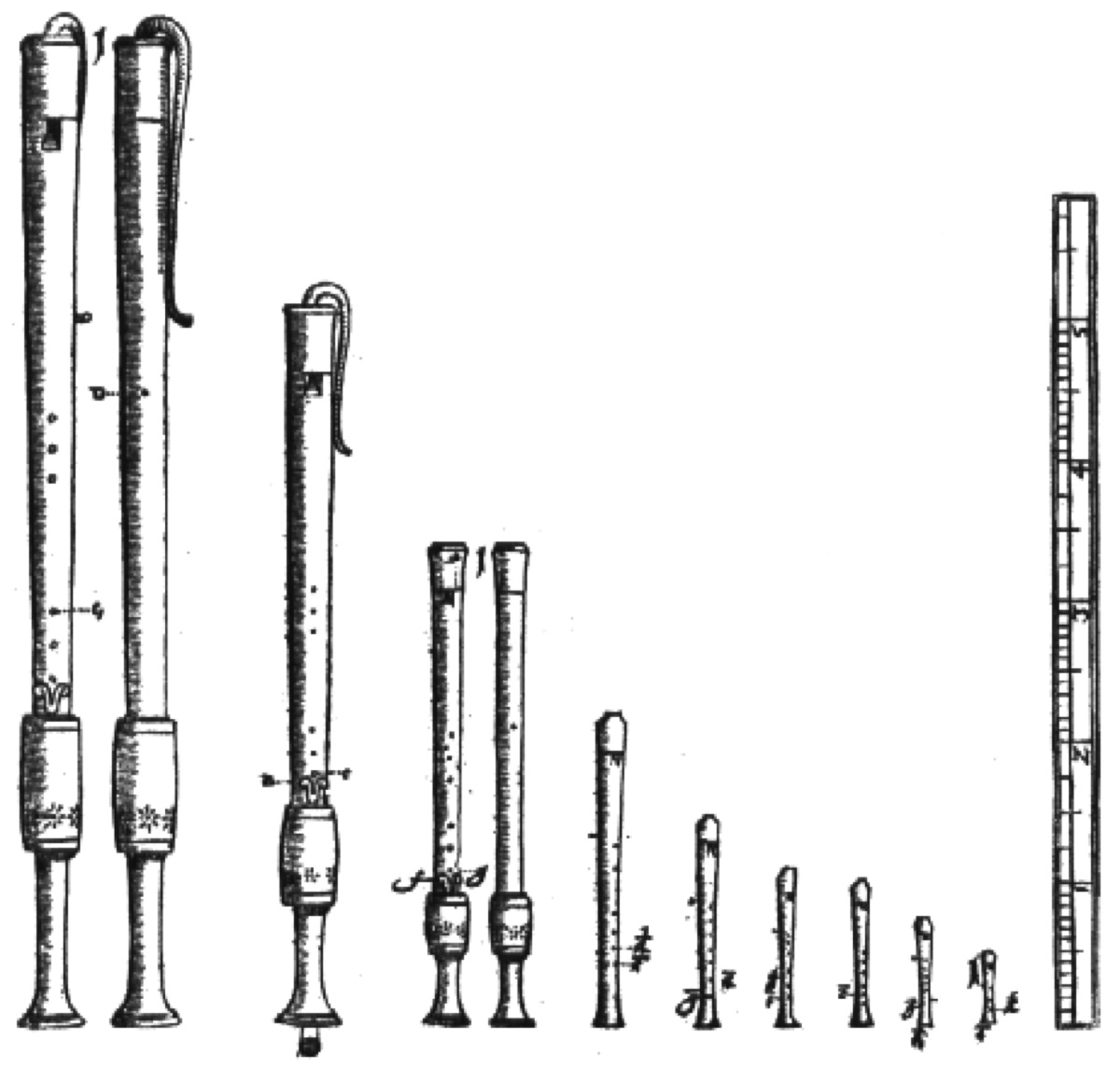
Playing the recorder teaches the three things every wind instrument needs: steady breath, careful fingers and good listening. And if your recorder uses baroque fingering, the way your fingers move is already close to the flute, clarinet and saxophone (Orpheus Music). Here are the closest next steps, from easiest to biggest change.
1. A bigger recorder: the alto
The most natural step is to stay in the family. The alto (treble) recorder is the instrument of the great Baroque solo music. The finger shapes are the same as on your soprano, but each one plays a different note, so you'll learn to read in a new way. Tenor and bass recorders follow, and then you can play in a recorder group.
2. The tin whistle
A simple six-hole whistle, central to Irish and folk music. It has no thumb hole, and its fingering is the simplest of all, so a recorder player can pick tunes up in days. It's less suited to classical music, because notes outside its key are awkward (Chiff and Fipple).
3. The flute
The flute is the recorder's modern cousin: it took the recorder's place in the orchestra in the 1700s. The big change is that there's no mouthpiece to blow into: you blow across a hole, shaping the air with your lips, which takes a while to learn. Many fingers move in similar patterns, and your breath control from the recorder is a real head start.
4. The saxophone
Often the easiest "real" band instrument after the recorder: it has keys instead of holes, but the fingering pattern for the main notes feels familiar, and an octave key takes you up just like the recorder's thumb (Chiff and Fipple). The new skill is the reed: a thin cane strip that vibrates against your lower lip.
5. The clarinet
The clarinet's hand position is the closest of all the woodwinds to the recorder, which makes it a popular next step in schools (Dynamic Music Room). It's also harder than it looks: it has a reed, and its upper notes work differently, jumping up twelve notes instead of eight, so the same fingers play different note names up high.
And the oboe?
Beautiful, but the hardest of the group: a double reed and a lot of breath control. It's a great goal for a recorder player who loves Baroque music, since many oboe pieces sit next to recorder pieces in that repertoire.
Which one?
Let the music decide: Baroque and early music, stay with recorders; folk, try the whistle; orchestras, the flute or clarinet; jazz and bands, the saxophone. Whatever you choose, keep your recorder: it's the instrument you'll always be able to pick up and play. Where the recorder is played today ›
More from the recorder library
- Why a camera and a microphone are the best way to learn the recorderHow a microphone that hears every note and a camera that sees your hands give beginners instant feedback on the recorder, and why the recorder is a great first instrument.
- A short history of the recorderThe recorder's story in five minutes: medieval beginnings, Renaissance consorts, Baroque stardom, a long sleep, and its 20th-century revival as the instrument children learn first.
- Composers who loved the recorderFrom Bach's Brandenburg Concertos to Vivaldi's dazzling concertos and modern pieces by Hindemith and Britten: the great composers who wrote for the recorder.
- The recorder todayWhere the recorder is played today: the classroom, early-music ensembles, new music, famous pop and rock songs, and a big online community of players.
← Recorder Hero home · All articles · Play